


Vajra Yoga Pilgrimage in the Kathmandu Valley
A Tibetan Buddhist Immersion at the Power Places of Nepal
with John Campbell & Cory Bryant
Sept 27 - Oct 7, 2026
Practice at Nepal’s most sacred Buddhist sites—including Swayambhunath, Boudhanath, and Namo Buddha—while integrating daily meditation, yoga, and cultural immersion.
10 Days of Practice, Pilgrimage & Exploration
Join us for a deeply immersive journey through Nepal’s Kathmandu Valley, where daily Vajrayana Buddhist-based meditation/yoga anchor the mornings, and afternoons unfold in exploration of the region’s rich spiritual heritage.
Set in the Himalayan foothills, the Kathmandu Valley has long been a meeting place for Buddhist and Hindu traditions—a living landscape of pilgrimage shaped by centuries of devotion. From sacred sites like Boudhanath Stupa and Swayambhunath to temples, monasteries, and village life, the experience offers a direct connection to these enduring traditions.
This is more than a visit—it’s an opportunity to practice within a culture where spirituality is woven into everyday life.
Vajra Yoga is a unique synthesis of Hatha Yoga and Tibetan Buddhist wisdom, designed to align the physical body with the subtle energies of the mind. Rooted in the "inner sciences" of India and Tibet, this practice emphasizes the vajra—the diamond or thunderbolt—representing an indestructible clarity that cuts through mental and physical tension.
This class features movement and breathing practices derived from Indo-Tibetan traditions, using specific methods for subtle body alignment as a foundation for a vinyasa-based practice. By integrating mindfulness, visualization, and intentional breath, Vajra Yoga helps practitioners reconnect with their innate healing potential and cultivate a "clear light" awareness.
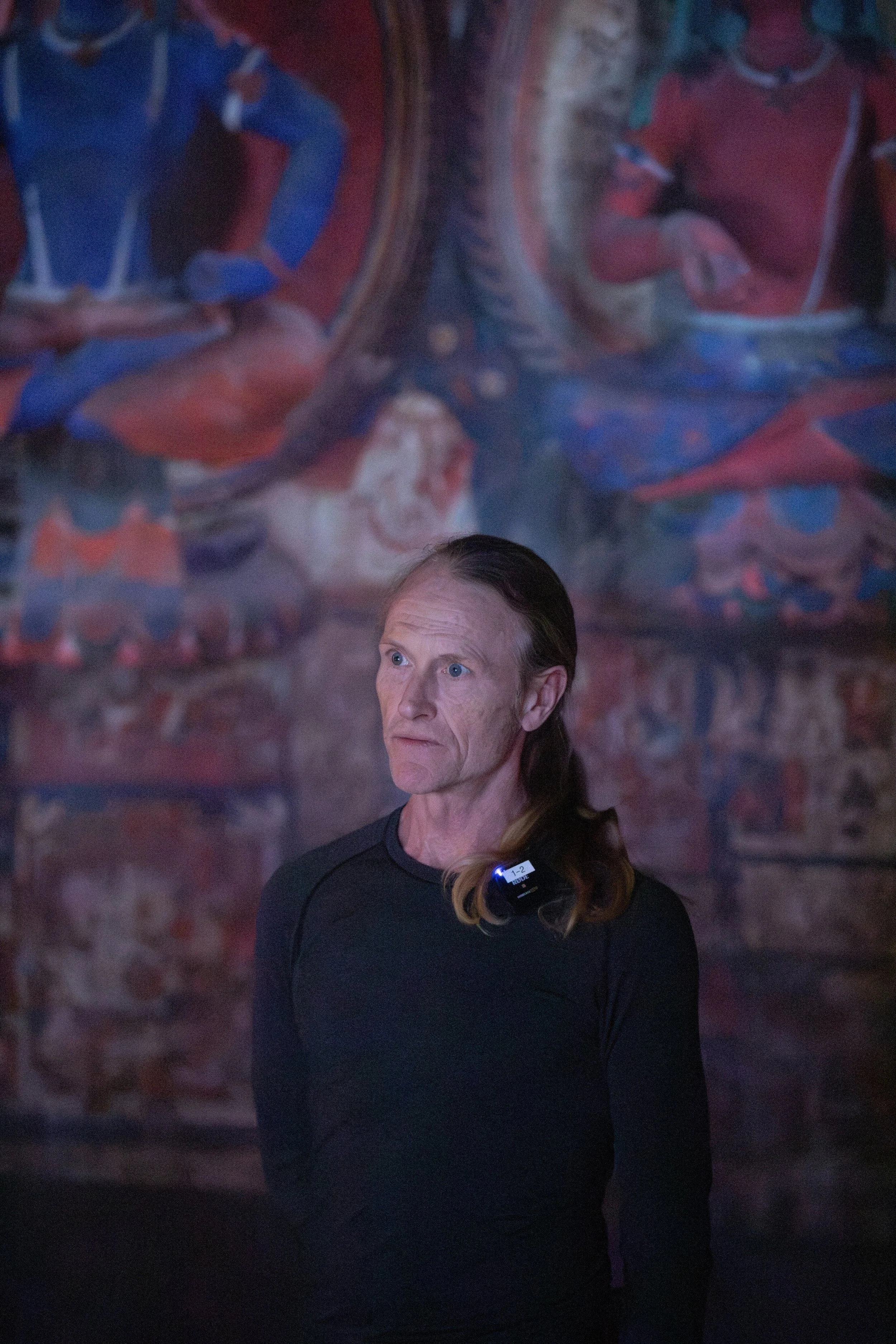
Vajra Yoga & Meditation with John Campbell
John Campbell has been practicing yoga and meditation for over thirty years. In 2002 he became one of the few instructors worldwide to be recognized as a Certified Teacher by the Ashtanga Yoga Research Institute in Mysore in southern India. He currently runs the Vajra Yoga program for Tibet House in New York City. A scholar of Indo-Tibetan Buddhism, he received a PhD in Religion from Columbia University. He has been a Fulbright Fellow and taught at Columbia University and the University of Virginia, where he co-founded the Contemplative Sciences Center. He is a translator of Sanskrit and Tibetan texts from the yogic and tantric traditions of India and Tibet. His publications include The Esoteric Community Tantra by Vajradhara with the Illuminating Lamp by Chandrakirti (2020), the first in a series of commentaries on the Guhyasamāja Tantra co-translated with Prof. Robert Thurman. He is a native New Yorker and lives with his wife, three children, and various cats and dogs in Newburgh, New York.
-

Day 1 - 2
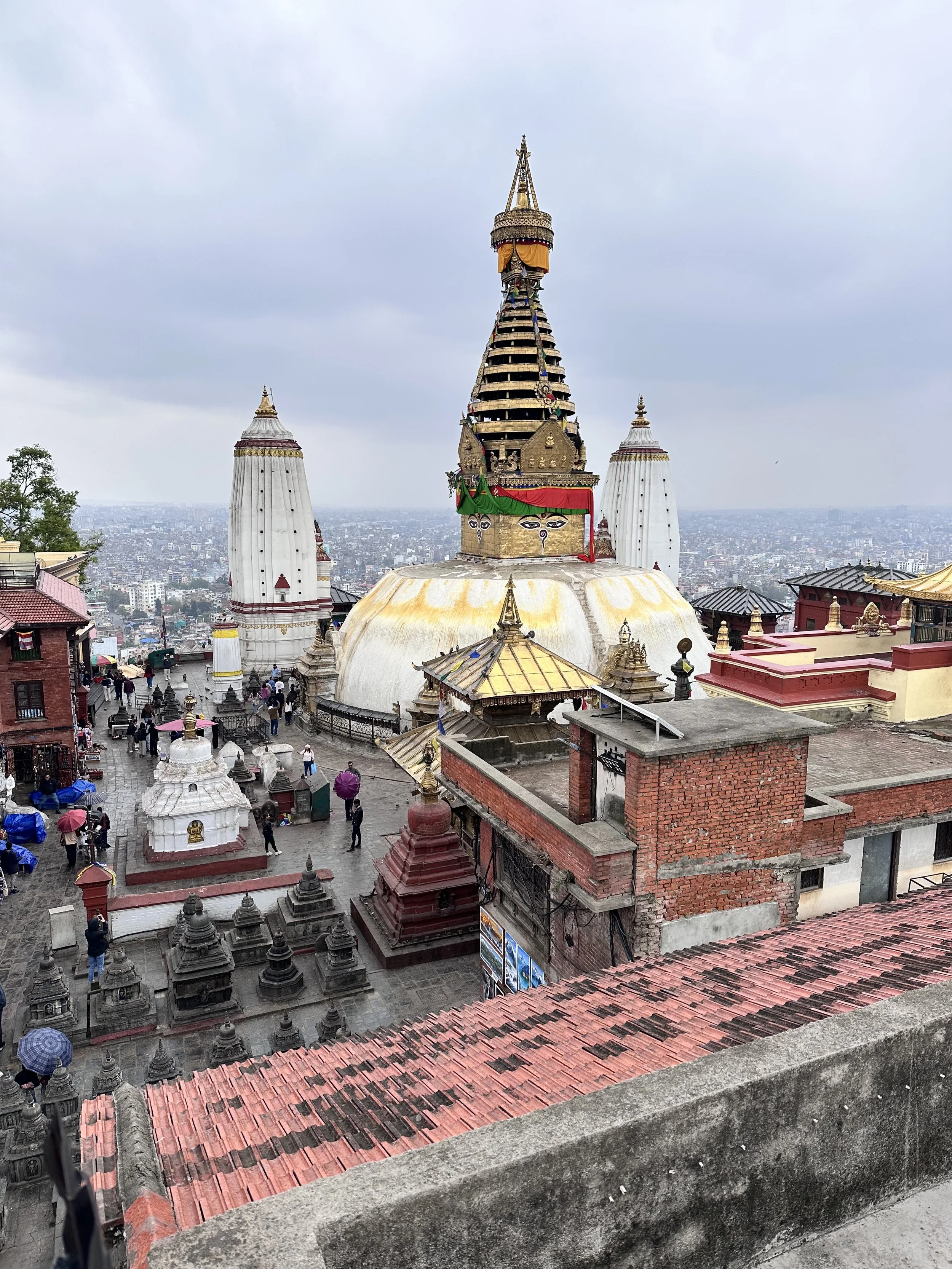
Exploring the vibrant Swayambhunath area - including excursions to nearby World Heritage sites!
-
Day 3 - 6
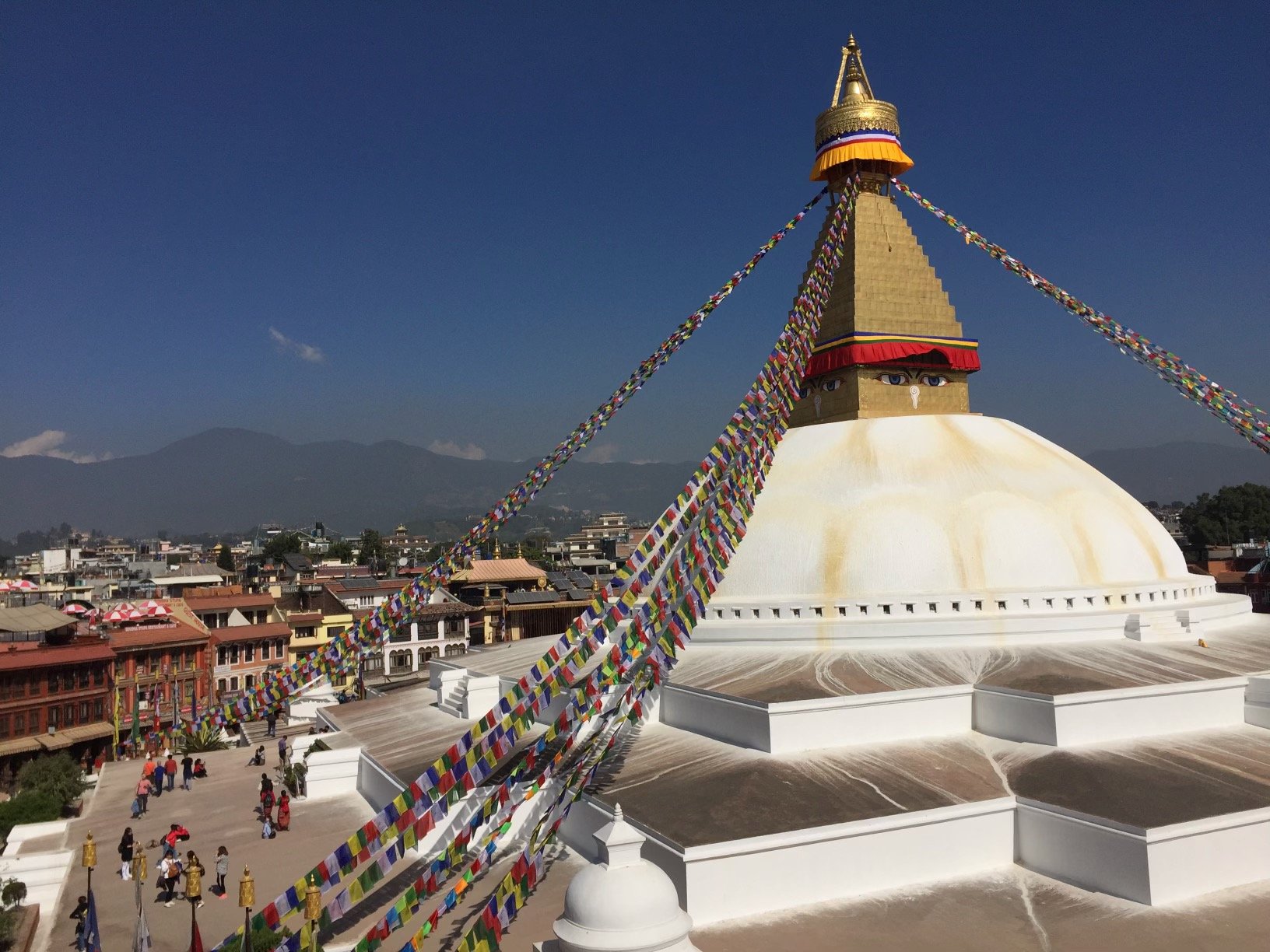
Comfortably based in Kathmandu's Boudha village, a thriving buddhist community of 40,000 Tibetans living the spiritual tradition of the Buddha.
-
Day 7 - 10
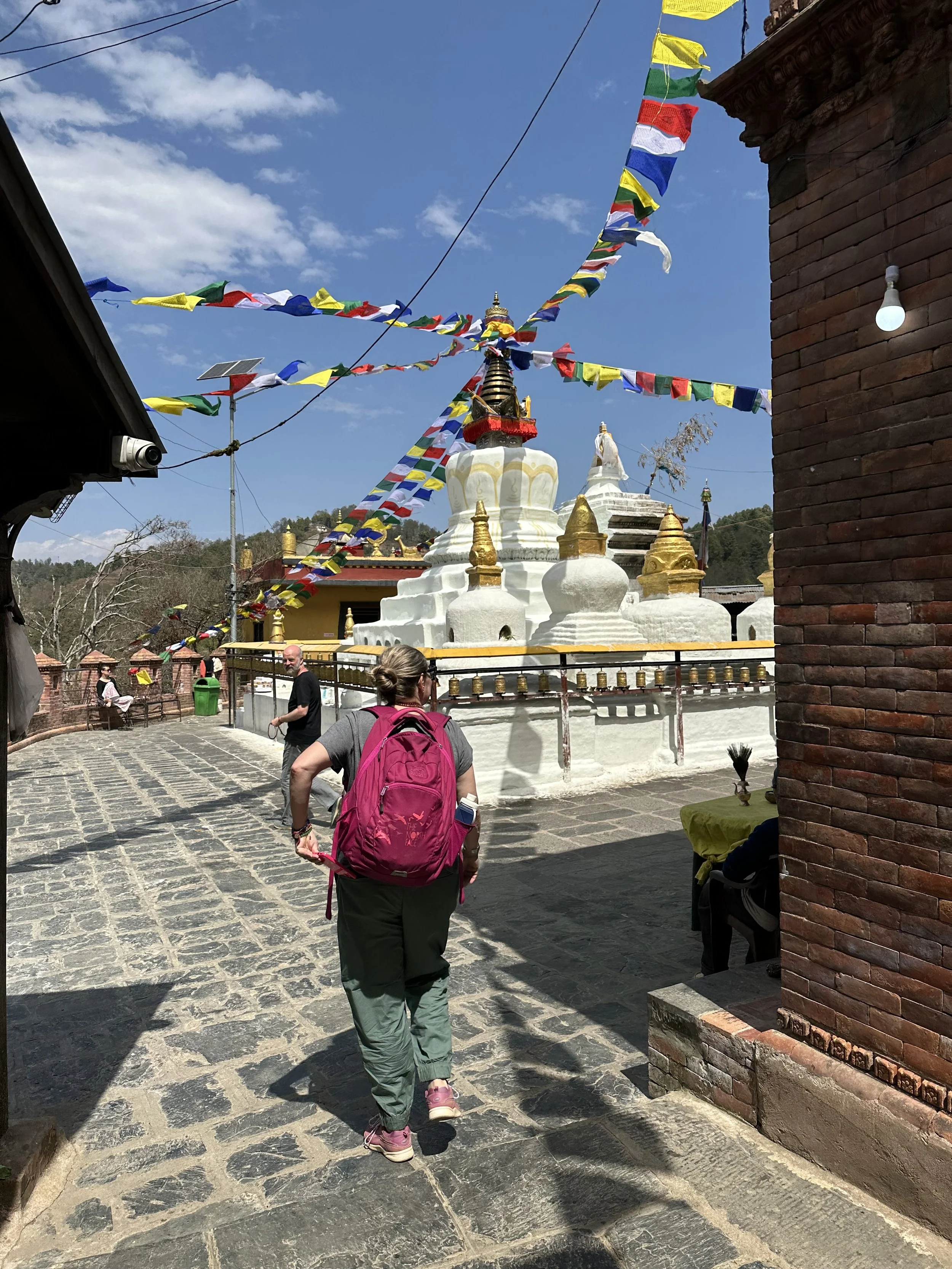
Lodging at the beautiful Namo Buddha Resort, a cozy, nature reserve in the foothills of the Himalayas (think The Shire in the Hobbit movies!).
Day 1 – Arrival & Orientation (Swayambhunath)
We gather at Hotel Vajra for lunch and orientation, setting the tone for the pilgrimage ahead. In the afternoon, we explore Thamel’s vibrant streets before sharing a welcome dinner together, returning to Vajra to settle in for the journey.
Day 2 – Swayambhunath Practice & Exploration
Each day begins with practice — meditation & yoga — establishing our daily rhythm. We then walk to Swayambhunath, immersing in its ancient symbolism and panoramic setting. In the afternoon, we gather for practice and discussion, integrating experience through shared reflection.
Day 3 – Pharping & Arrival in Boudha
After morning practice, we depart for Pharping, visiting sacred sites including Asura Cave and Vajrayogini Temple. By late afternoon, we arrive in Boudhanath Stupa, settle into our hotel, and take our first kora around the Great Stupa before dinner together.
Day 4 – Teachings & Community in Boudha
Morning practice is followed by free time to explore Boudha at your own pace. In the afternoon, we gather for Dharma teachings, then visit a local community initiative—an opportunity to witness compassion in action within the valley.
Day 5 – Nagi Gompa Pilgrimage
We begin early with meditation before traveling to Budhanilkantha and hiking into Shivapuri National Park to Nagi Gompa. Here, we receive teachings and meditate in a serene forest setting before returning to Boudha in the afternoon.
Day 6 – Patan & Pashupatinath
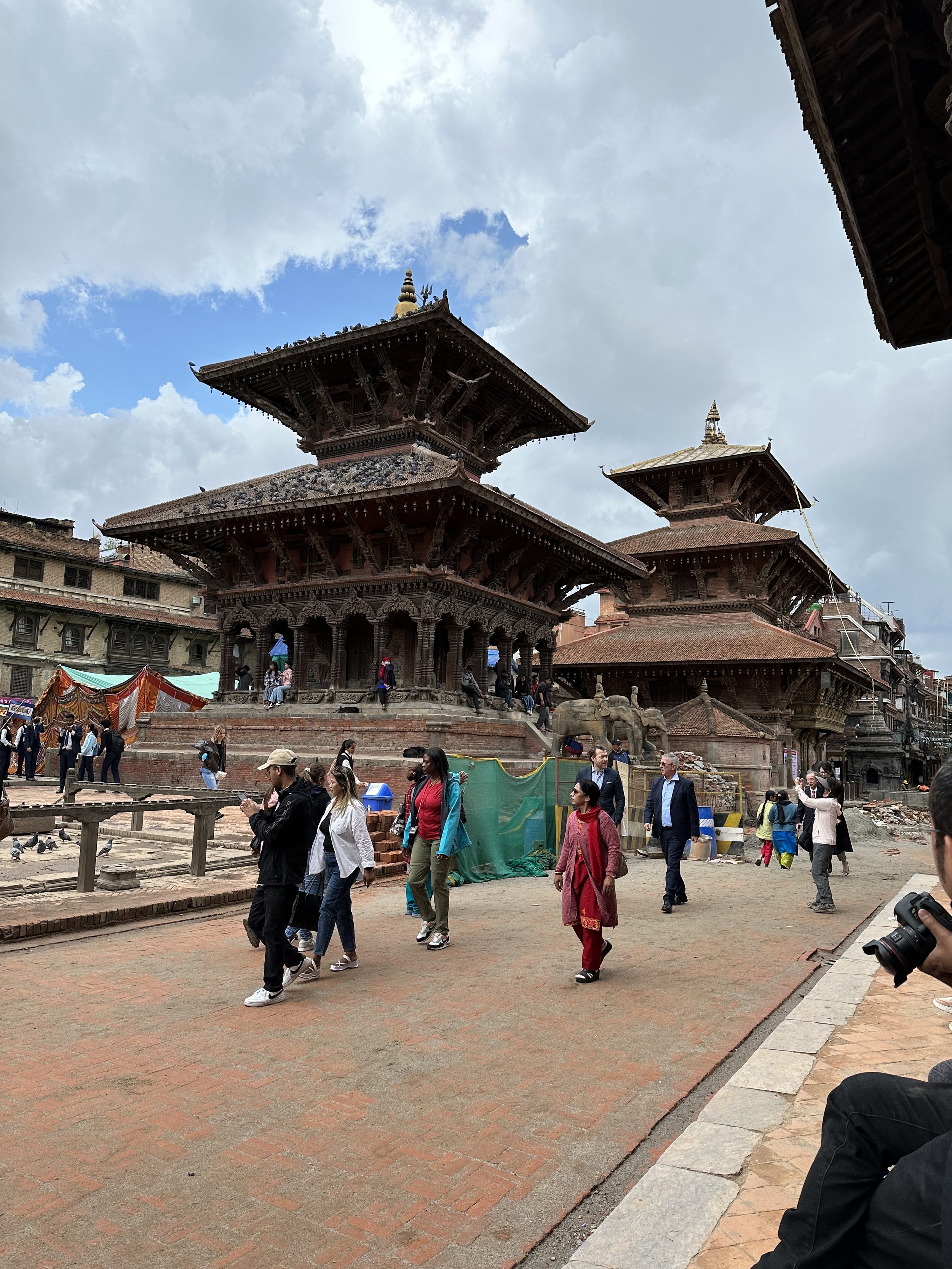
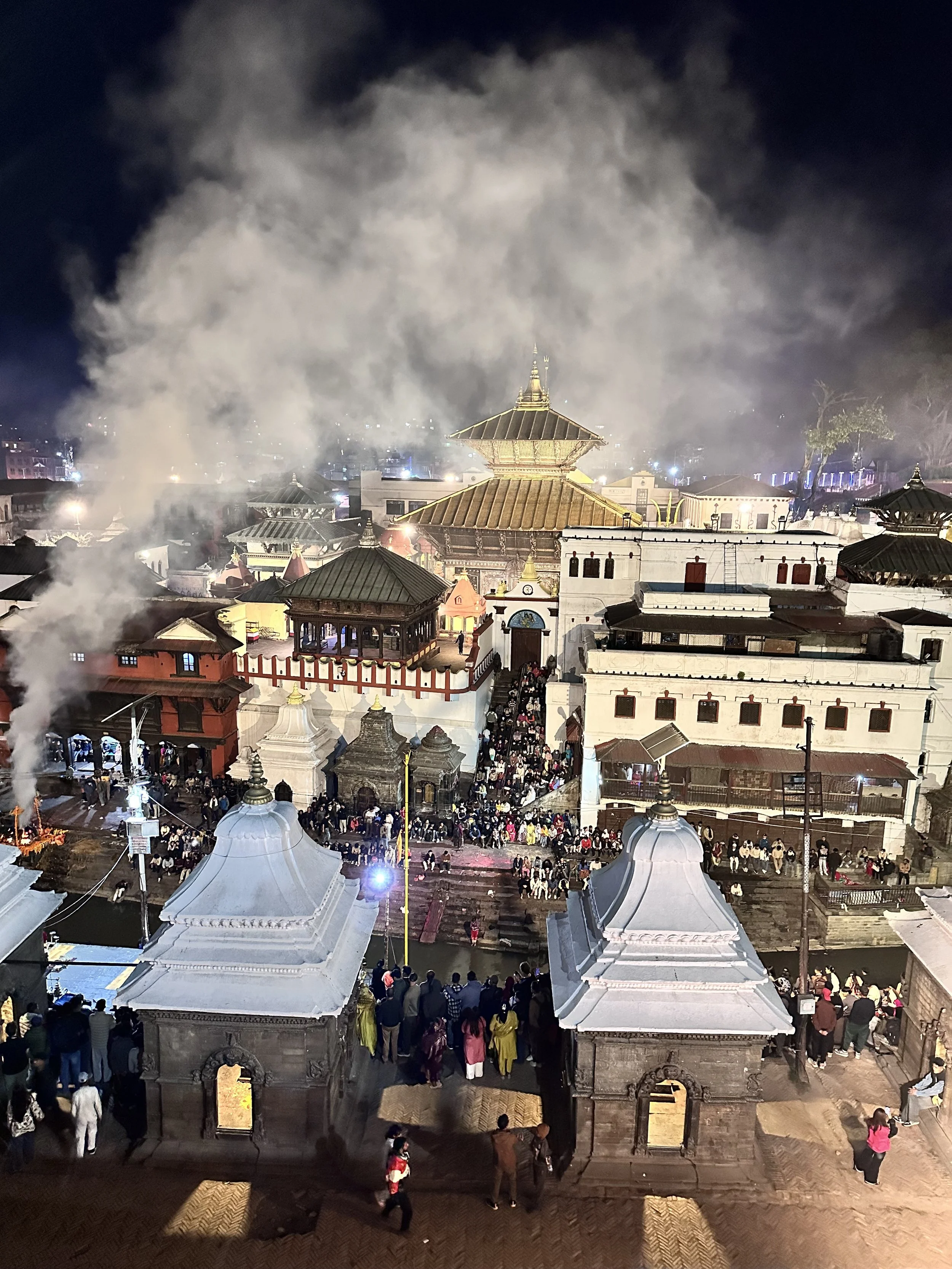
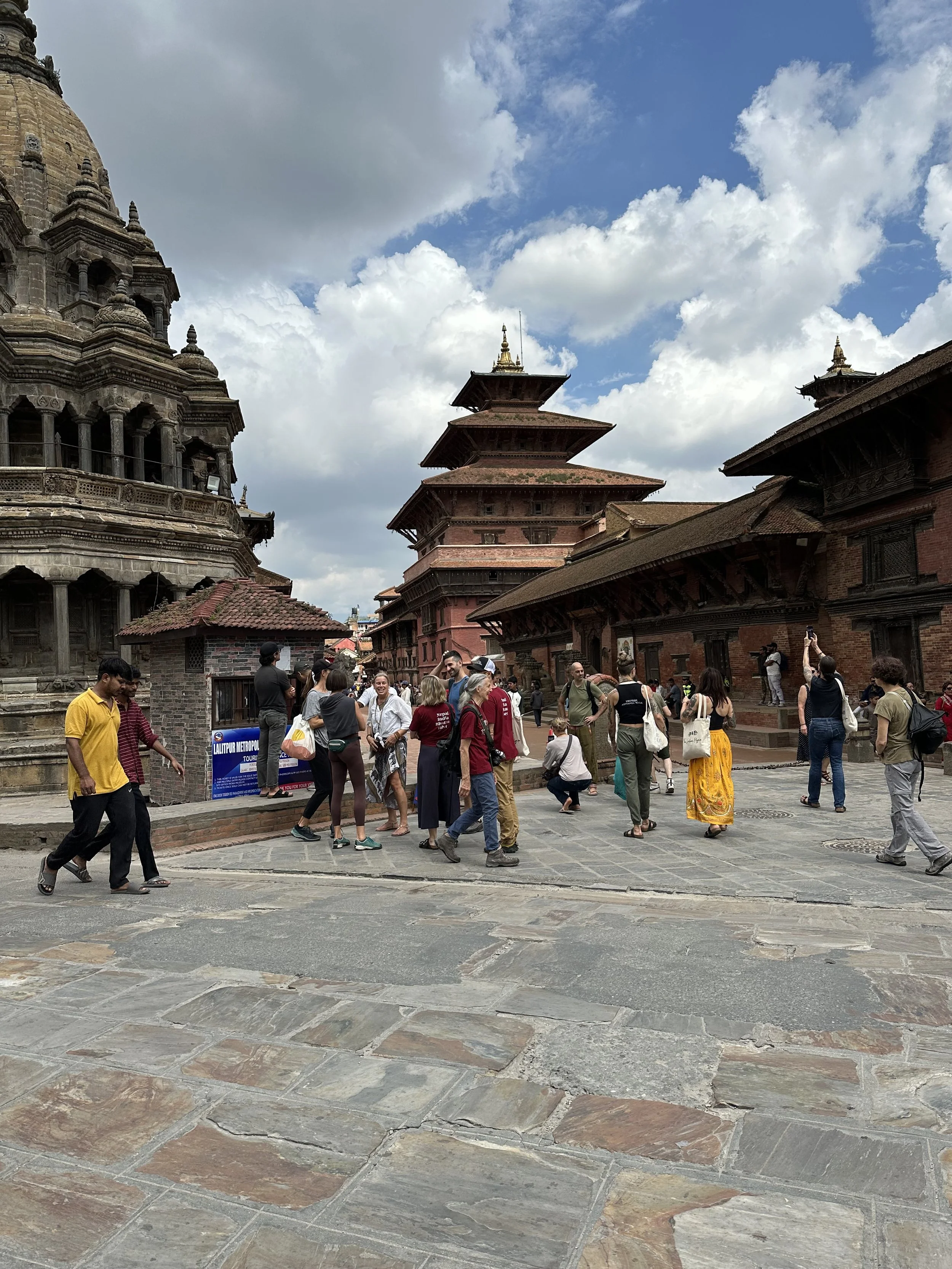
Morning practice anchors the day before we travel to Patan, exploring its historic Durbar Square and museum. In the evening, we visit Pashupatinath Temple, experiencing its powerful ritual atmosphere along the Bagmati River.
Day 7 – Bhaktapur & Namo Buddha
After practice, we depart Boudha and travel to Bhaktapur, wandering its preserved courtyards and temples. In the afternoon, we continue to Namo Buddha, arriving at the peaceful hillside resort where a quieter rhythm begins.
Day 8 – Rest, Practice & Village Life
At Namo Buddha, the pace softens. Morning meditation and yoga are followed by free time to rest or reflect. In the afternoon, we explore nearby villages with a local guide, then gather for sangha and meditation in the evening.
Day 9 – Namo Buddha Pilgrimage
After morning practice, we make a pilgrimage to Namo Buddha Stupa and Thrangu Monastery—sites deeply connected to the Buddha’s path of compassion. The afternoon offers time for integration before dinner together.
Day 10 – Return to Boudha & Closing Celebration
We begin with a final morning of practice at Namo Buddha before returning to Boudha. The afternoon is free, followed by a closing gathering and farewell dinner to honor the journey together.
Day 11 – Closing Practice & Departure
On our final morning, we gather for meditation and yoga before a final breakfast. Departures begin, carrying forward the experience of practice, pilgrimage, and connection cultivated throughout the journey.
Your Host
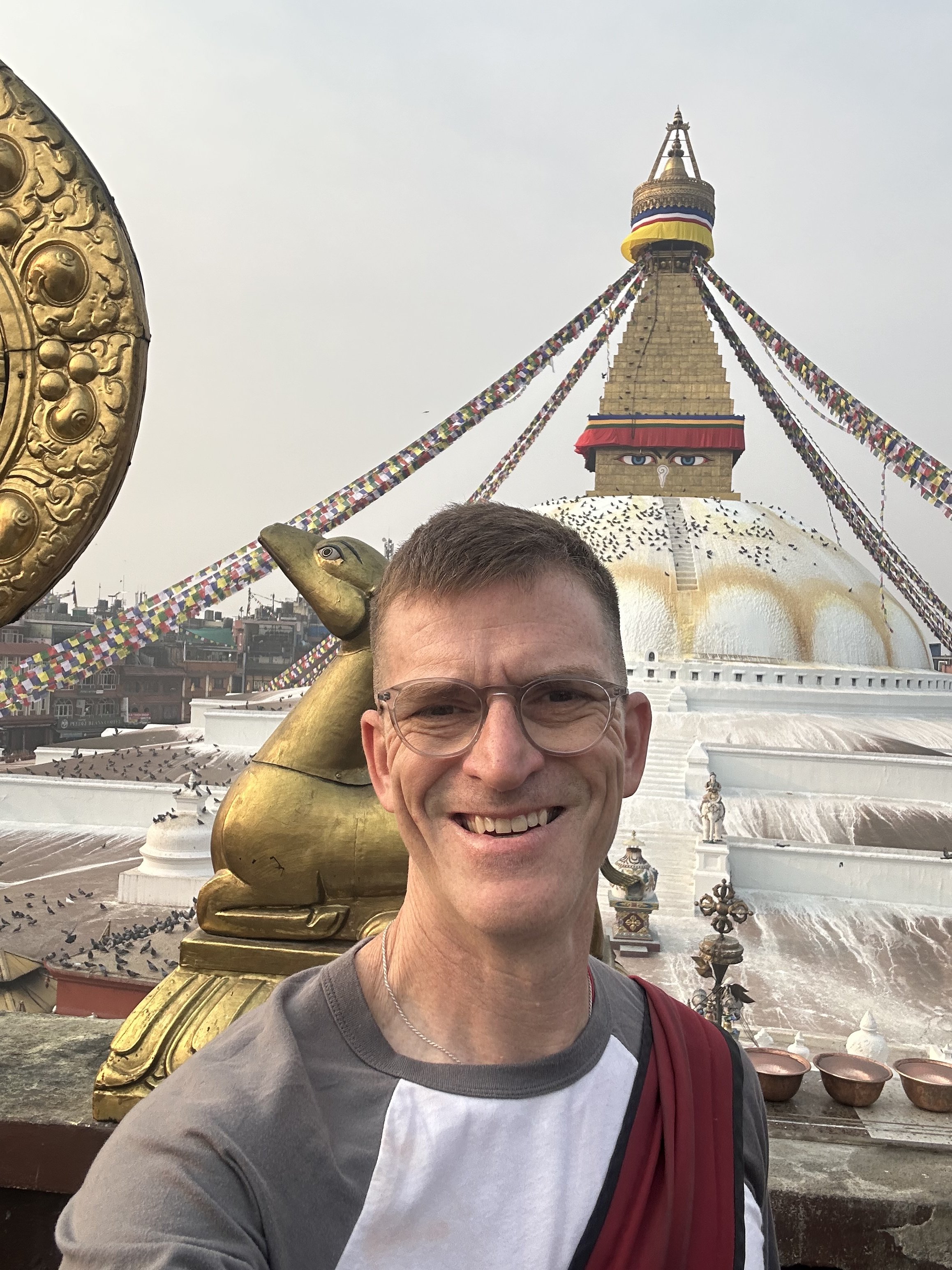
Cory has devoted much of the past decade to exploring the intersections between Ashtanga Yoga and Tibetan Buddhism. Dating back to 2002 he has studied intensively with renowned yoga masters such as David Life, Sharon Gannon, David Garrigues, Tim Miller, Tim Feldmann and Kino MacGregor, as well, as Tibetan lineage holders including khenpo Tokpa Tulku, Chokyi Nyima Rinpoche (with whom he took refuge) and Yongey Mingyur Rinpoche. His approach to teaching reflects not only his deep commitment to spiritual practice but also his extensive study of Yoga and Buddhism.
With a Ph.D. in Food Chemistry and a background in international food policy, Cory brings a unique perspective to his teaching, blending the precision of the scientific method with the contemplative wisdom of Buddhist philosophy. He explores the rich intersections between Buddhism and Yoga, offering an integrative approach to both practice and life.
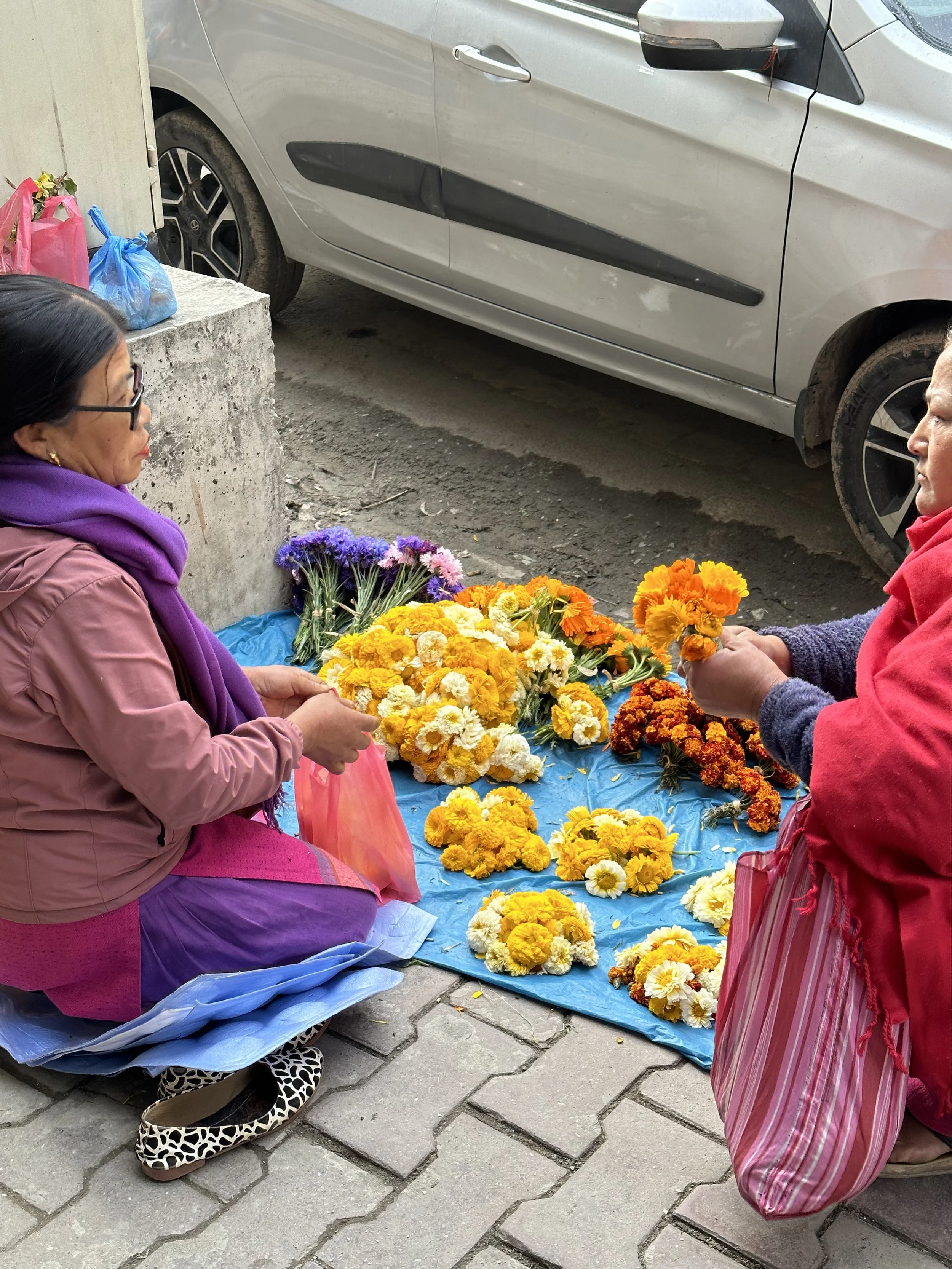
The Kathmandu Valley Pilgrimage Experience
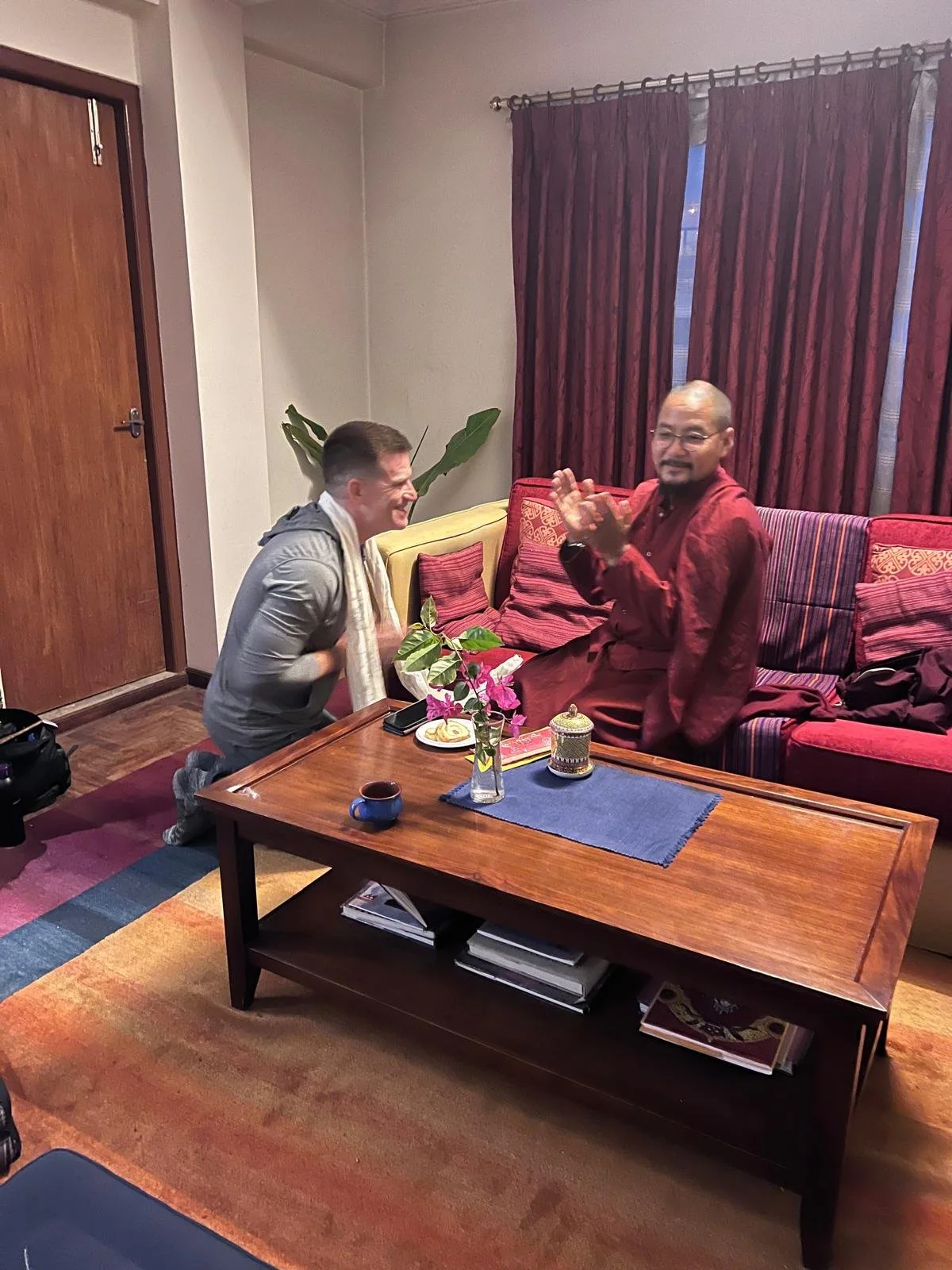
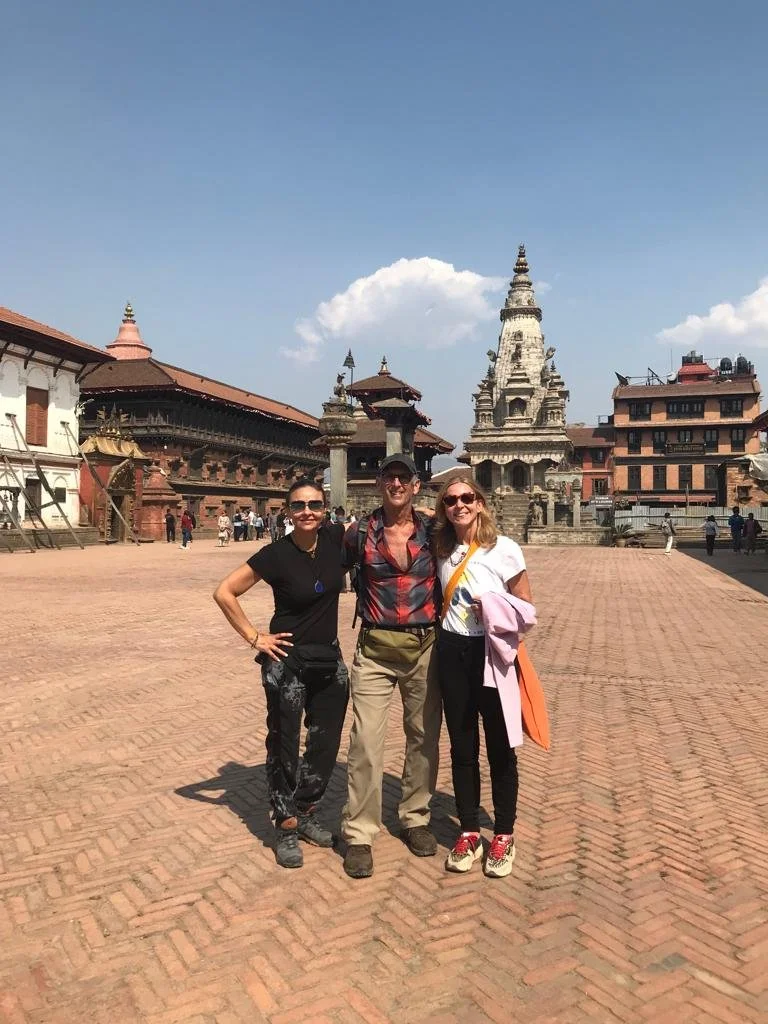
This journey moves through the sacred heart of Nepal, weaving together practice, pilgrimage, and cultural immersion across the Kathmandu Valley. Beginning in the peaceful hillside setting of Namo Buddha, the experience opens with dedicated time for meditation, yoga, and study—establishing a grounded rhythm before moving into the energy of the valley.
From there, the pilgrimage unfolds through Nepal’s most revered Buddhist and cultural sites. We explore the ancient cities of Bhaktapur and Patan, practice at Swayambhunath, and walk the kora at Boudhanath. Along the way, we visit Pharping’s sacred caves, receive Dharma teachings, connect with local community initiatives, and make pilgrimage to Nagi Gompa.
Each day integrates meditation, yoga, and meaningful exploration—creating a balanced experience of inner practice and outer journey. This is not simply a tour of sacred places, but a guided immersion into a living Buddhist culture, where the environment itself becomes part of the practice.

How much does it cost?
$3200 (USD) - shared room (note, if you do not have a roommate we will do our best to pair you with one; however, if that’s not possible you’ll need to pay the private room rate).
$3800 (USD) - private room (note, Namo Buddha Resort - our hillside destination for days 1-3 - may not have enough singles depending on the group composition, but they do have houses with upstairs/downstairs bedrooms - there is a chance you will be asked to share such a house - one up, one down).
Hold your spot with a $600 nonrefundable deposit.
You are responsible for your international transportation to/from Kathmandu, Visa costs, shopping and a few meals here and there, otherwise all expenditures are included.
Travel for many folks has historically been via the Middle East. If you wish to avoid that area Cathay Pacific through Hong Kong — or Singapore Airlines/Korean Air through Asia are good options.
Deadline to sign up is Sept 7, 2026.
Program Costs do not include: airfare to and from Kathmandu, airport or departure taxes not included in your air ticket, visa fees, additional hotel nights before or after scheduled program dates, unscheduled activities and excursions, soft drinks, alcohol and espresso drinks, phone calls, massage services, shopping, laundry or other personal expenses, additional meals, drinks and snacks, travel insurance, trekking/travel extensions (although we are happy to arrange for you).

Sacred Sites Abound
Unesco World Heritage Sites
Boudhanath Stupa
Dating back to 5th century CE this is the largest and one of the most sacred site for Buddhists in the world - surrounded by a village of 40,000 Tibetans and 50 monasteries, this will be our home base.
Swayambhunath Stupa
Over 1500 hundred years old and accessible via 365 steps - this shrine traces its origins back to that of the valley itself.
Namo Buddha Stupa
Marks the sacred place where the Buddha made the ultimate selfless act in his prior life — the act which catapulted him into Buddhahood!

Bhaktapur Durbar Square
One of the three original kingdoms dating back to at least the 12th century CE and located in the east corner of the valley - Bhaktapur is known for its artisans and is a super fun place to wander and shop
Patan Durbar Square
Along the Silk Road and home to the old palace of the kingdom dating back to Ashoka and the 3rd century BCE.